
Dental implants are fixed, bone-anchored replacements that feel and function like natural teeth, while dentures are removable prosthetics that rest on the gums and replace several or all missing teeth. The right choice depends on health, lifestyle, budget, and how much stability and chewing power are desired.
Introduction
Missing teeth affect more than a smile—they change how eating, speaking, and social confidence feel day to day. Understanding how implants and dentures work, and what life is like with each option, makes the decision clearer and less stressful. This guide breaks down what to expect, who each option suits best, and how to choose with confidence.
What dental implants are
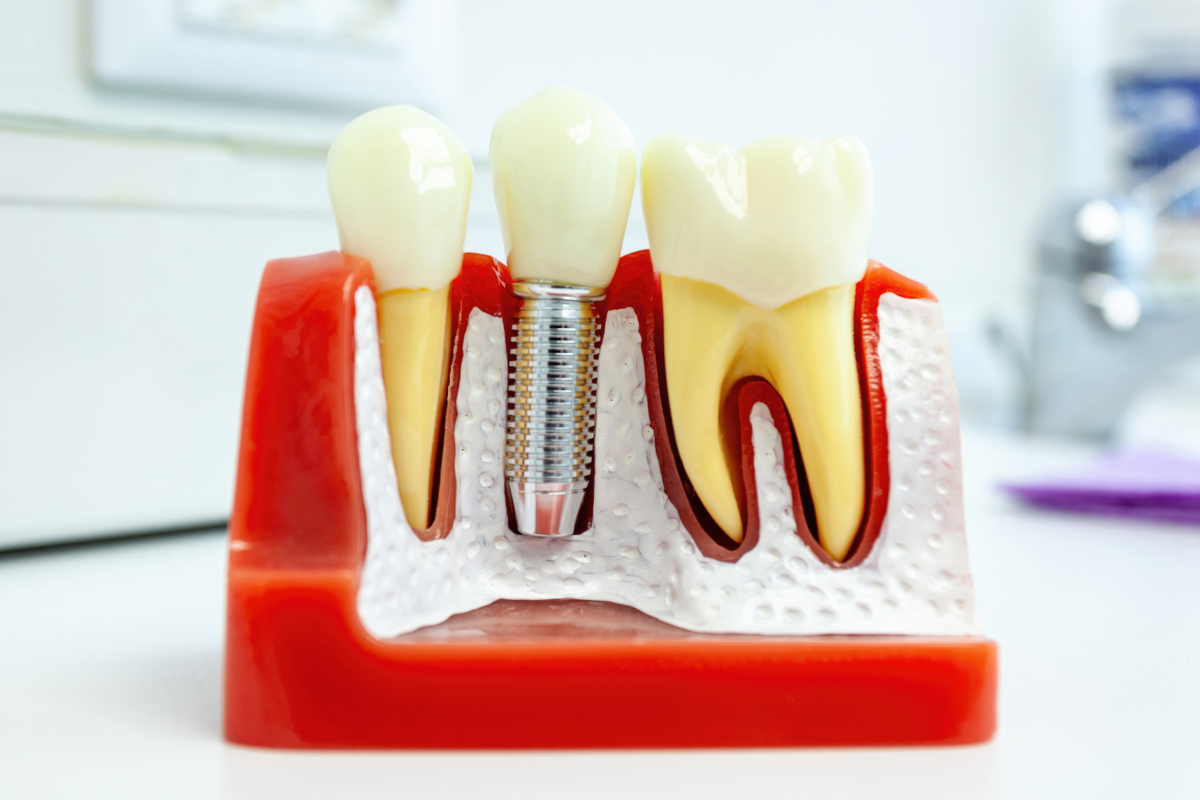
An implant uses a small titanium post placed in the jaw to act like a tooth root. After healing, a custom crown, bridge, or full arch restoration attaches to that post for a secure, natural feel. Because implants bond with bone, they help maintain facial structure over time.
What dentures are
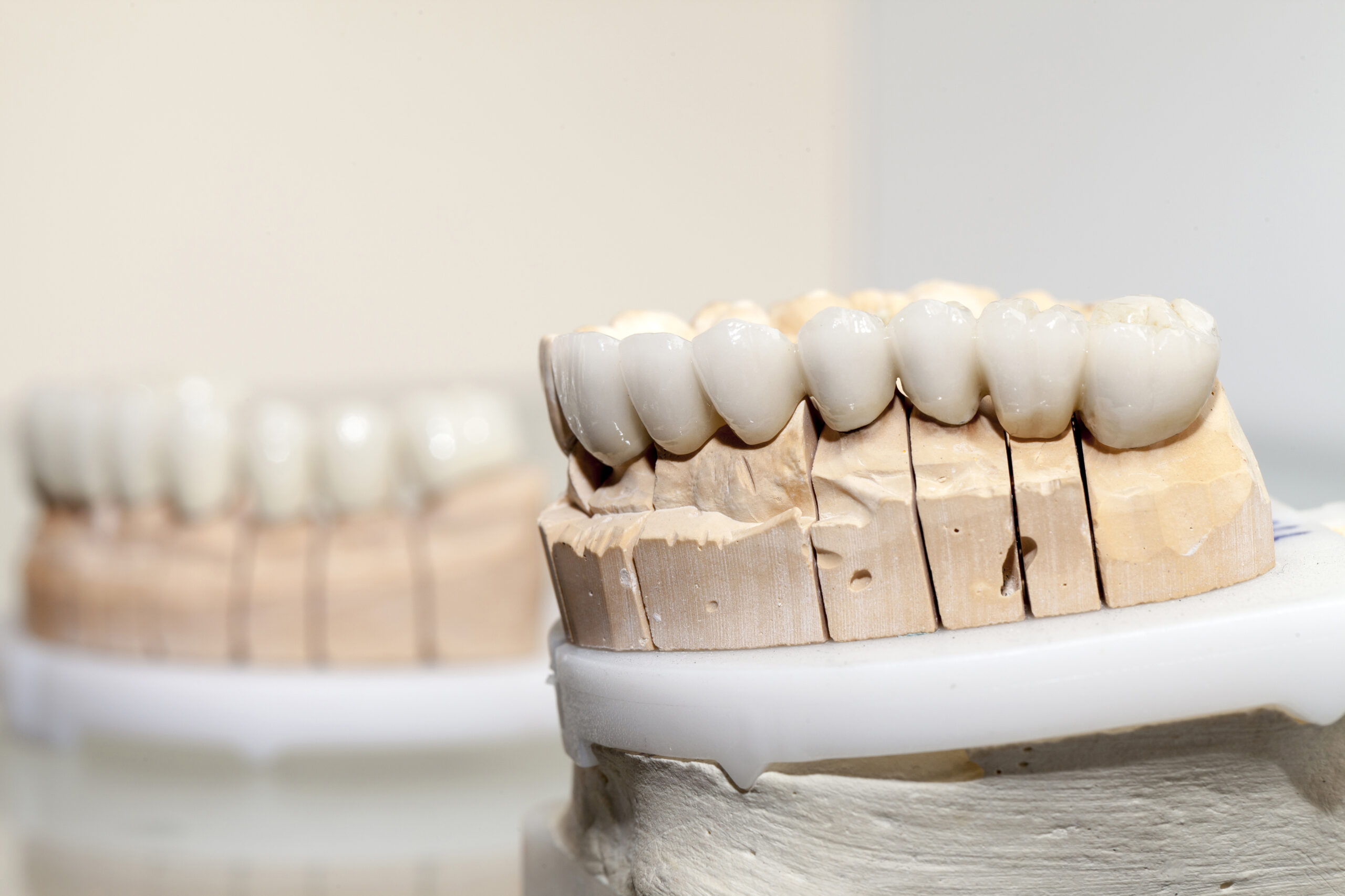
Dentures are removable appliances that replace missing teeth and gum tissue. Complete dentures replace all teeth in an arch; partial dentures clip around remaining teeth to fill gaps. Fit may need occasional adjustments as gums and bone change naturally.
Implant‑supported dentures
This option anchors a removable or fixed denture to 2–6 implants per arch for extra stability. It greatly reduces slipping compared with traditional dentures while keeping cleaning simple. Many patients see it as a strong balance of comfort, cost, and convenience.
Who is a good candidate
Implants suit patients with healthy gums, adequate bone, and a willingness to commit to multi‑step care and healing. Dentures suit patients seeking a non‑surgical, faster solution or those with limited bone who prefer to avoid grafting. A consultation and imaging confirm which path is predictable and safe.
Everyday function and comfort
Implants feel stable while chewing, laughing, and speaking, so most foods fit comfortably back on the menu. Traditional dentures can work well but may move with tough or sticky foods and often require a short learning curve for clear speech. Implant‑supported dentures significantly reduce movement for more confidence in social situations.
Care and maintenance
Implants are brushed and flossed like natural teeth, plus routine cleanings to keep the gums healthy. Dentures are removed daily for cleaning, soaked overnight, and relined or replaced as the mouth changes. Good home care and regular checkups protect comfort, appearance, and longevity.
Treatment timeline and steps
Implants are completed in stages over several months to allow healing and integration; temporary teeth are possible in many plans. Dentures are typically faster to deliver, with follow‑up appointments to refine the fit. Implant‑supported dentures fall in between, with a few implants placed and a secure prosthesis added after healing.
Longevity, comfort, and costs
Implant posts can last for decades with proper care, and many people find the comfort and chewing strength worth the higher upfront cost. Dentures cost less initially but usually need periodic relines and replacement as tissues change. Thinking in terms of years of use often clarifies long‑term value.
Real‑world decision guide
- Prefer near‑natural chewing, fixed stability, and bone preservation: consider implants or implant‑supported dentures.
- Prefer a non‑surgical, quicker, and lower upfront‑cost solution: consider conventional dentures.
- Have limited bone or medical factors: discuss grafting options or choose dentures while keeping future implant plans open.
Common questions answered
- Will treatment hurt: modern anesthesia makes procedures comfortable, with manageable soreness during healing.
- What if bone is thin: bone grafts or strategic implant designs may expand candidacy; otherwise, dentures remain a reliable option.
- Can both be combined: yes, implant‑supported dentures offer strong stability with fewer implants than a full fixed bridge.
- How soon can eating resume: soft foods are recommended during healing for implants and during adjustment for new dentures.
When to see a dentist
If chewing is difficult, dentures feel loose, or missing teeth affect daily life, a comprehensive exam and imaging can map out predictable options. A personalized plan should outline timelines, comfort expectations, and costs for each path so the next step feels simple.
Ready to decide with confidence
A thoughtful consultation at Your Total Dental & Orthodontics will clarify candidacy, compare day‑to‑day outcomes, and tailor a plan to smile goals and budget. Whether the best fit is implants, dentures, or a secure implant‑supported denture, the goal is the same, comfortable function, natural appearance, and long‑term oral health.