A cracked tooth can be worrying, especially when you are dealing with pain while chewing, sensitivity to hot or cold, or a sharp feeling when you bite down. The good news is that some cracked teeth can be saved with the right treatment.
The key is getting the tooth evaluated as soon as possible. The longer a crack is left untreated, the greater the chance it may spread and affect the inner pulp or the supporting structures around the tooth.
So, can a root canal specialist save a cracked tooth? In many cases, yes—but the answer depends on the type, location, and severity of the crack.
At Your Total Dental & Orthodontics, we help patients in Copperas Cove and nearby communities understand their treatment options and take the right steps toward protecting their natural teeth.
If you are experiencing symptoms of a cracked tooth, don’t wait for the problem to worsen—schedule an appointment with us today to have your tooth evaluated and explore the best treatment options for protecting your smile.
What Happens When a Tooth Cracks?
Teeth can crack for several reasons, including:
- Biting down on hard foods or objects
- Teeth grinding or clenching
- Large fillings that weaken the tooth
- Facial injuries or accidents
- Normal wear and tear over time
Not every crack is the same. A small surface crack may only need monitoring, while a deeper crack can allow bacteria to reach the inner pulp of the tooth. This may lead to inflammation, infection, and increasing discomfort.
Common signs of a cracked tooth include:
- Pain when biting or releasing your bite
- Sensitivity to hot or cold foods and drinks
- Pain that comes and goes
- Swelling around the tooth
- Discomfort that is difficult to pinpoint
If you notice these symptoms, don’t wait for the pain to become severe. Cracked teeth do not heal on their own.
Can an Endodontist Save a Cracked Tooth?
An endodontist specializes in diagnosing and treating problems involving the dental pulp and the tissues surrounding the roots of teeth. When a crack reaches the pulp, specialized treatment may help preserve the natural tooth.
The most important question is where the crack is located.
1. Minor Surface Cracks
Small cracks that only affect the outer enamel may not require root canal treatment. Your dentist may recommend monitoring the tooth, improving your bite, or placing a restoration to help protect it.
2. Cracks That Reach the Pulp
If the crack extends into the pulp, bacteria can enter the tooth and cause infection. In this situation, root canal treatment may remove the damaged pulp and help preserve the remaining tooth structure.
After a root canal, the tooth may need a crown or another protective restoration. This helps restore function and reduces the risk of further damage.
3. Cracks Below the Gumline
A crack that extends below the gumline can be more difficult to treat. Depending on the location and extent of the damage, a portion of the tooth may sometimes be treated, while other cases may require removal.
4. A Split Tooth
If a tooth has completely split into separate segments, saving the entire tooth may not be possible. However, treatment options can sometimes preserve part of the tooth, depending on the individual situation.
Why Early Treatment Matters
A cracked tooth can change over time. Pressure from chewing can cause the crack to grow, and bacteria may travel deeper into the tooth.
Early evaluation can:
- Help determine whether the tooth is restorable
- Reduce the risk of infection
- Relieve pain and sensitivity
- Improve the chances of preserving natural tooth structure
- Help you avoid more complex treatment later
If you are searching for an endodontist in Copperas Cove, getting a professional evaluation is an important first step when you suspect a cracked tooth.
What Treatment Might You Need?
Your treatment plan depends on the condition of the tooth. Possible options may include:
- Dental bonding or filling: Suitable for certain minor cracks or damaged areas.
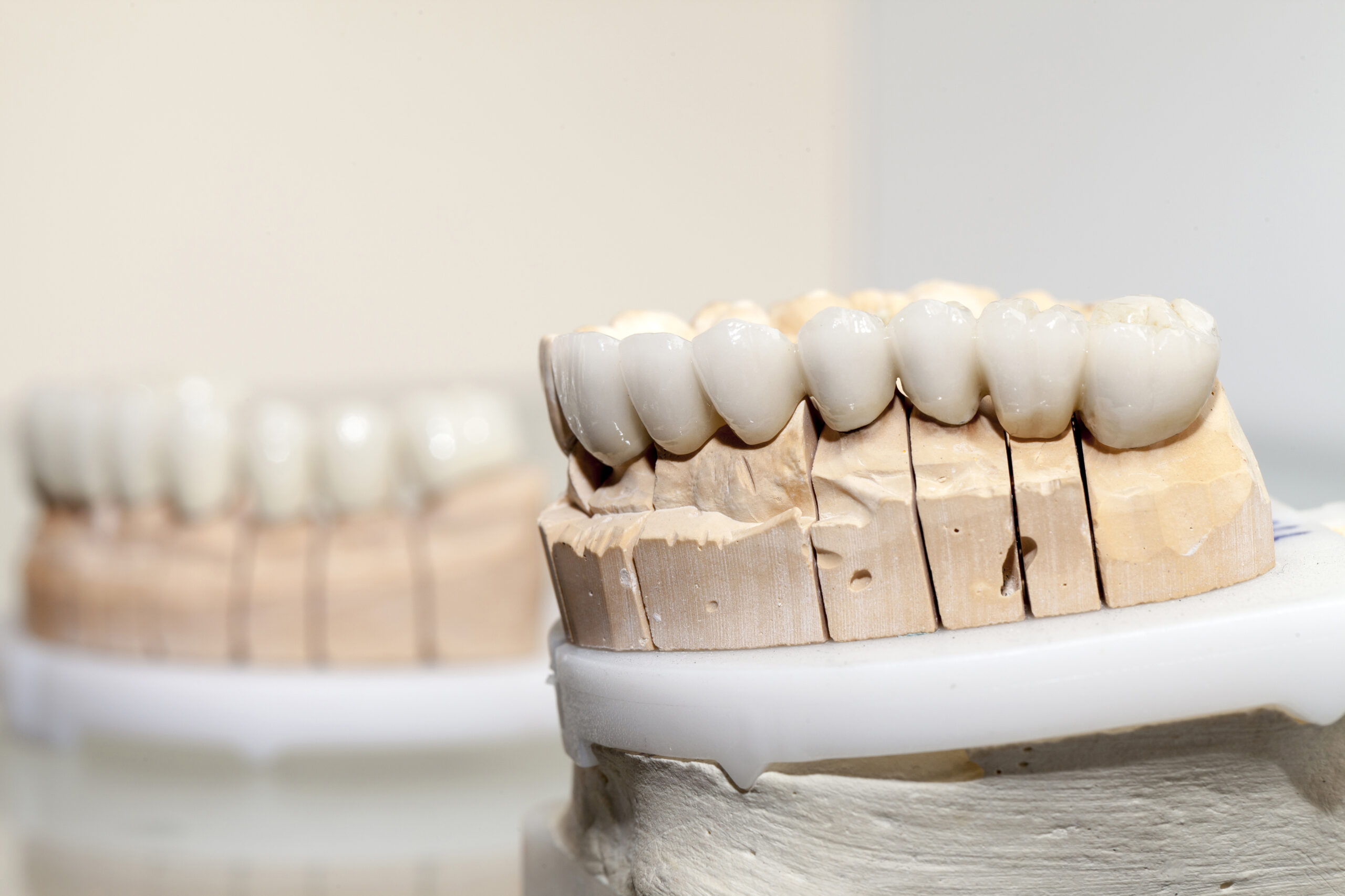
- A crown: A crown can help protect a weakened tooth and restore its shape and function.
- Root canal treatment: If the crack has affected the pulp, root canal treatment may remove infection and help save the natural tooth.
- Surgical treatment: In select cases, a procedure involving the root area may be considered.
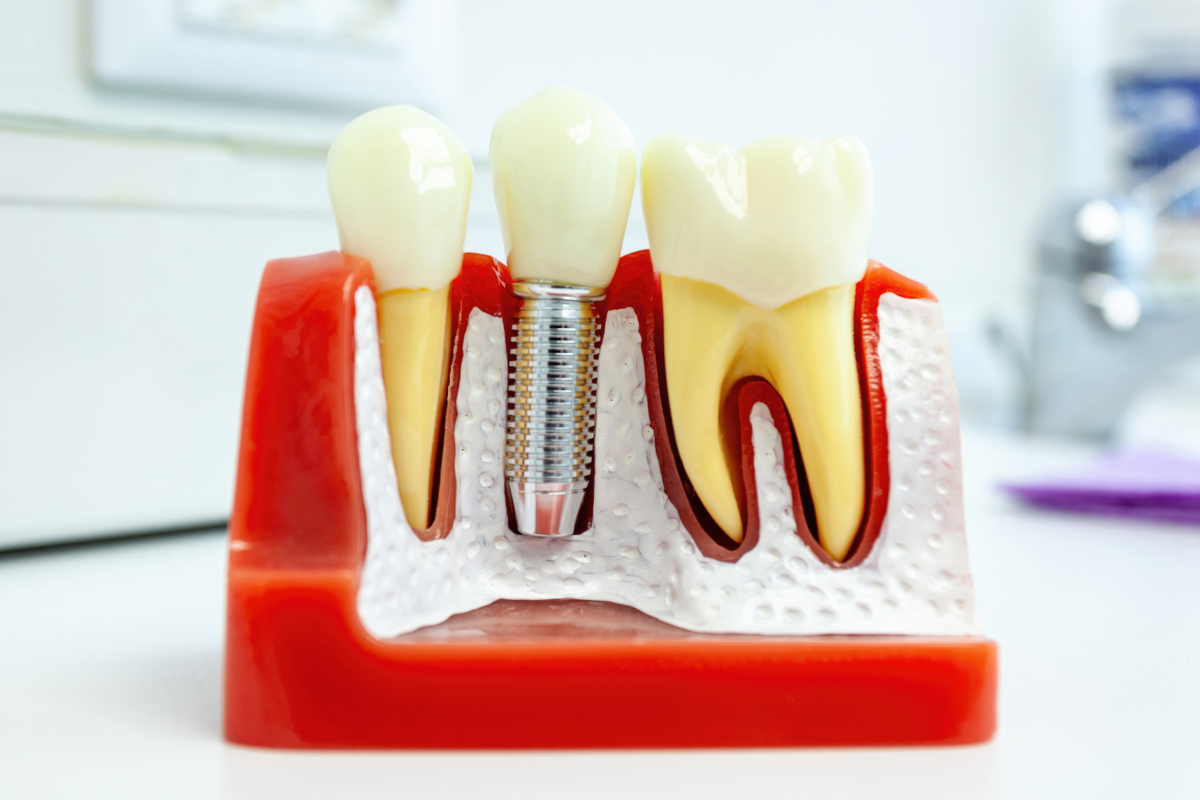
- Extraction and tooth replacement: If the crack is too extensive to repair, removing the tooth may be the safest option. Replacement options may include a dental implant, bridge, or other restoration.
A Simple Way to Think About It
Imagine a crack in a phone screen. A small surface mark may not affect how the phone works. But if the damage spreads deeper, it can interfere with the entire device.
A cracked tooth can behave in a similar way. The sooner it is examined, the better your chances may be of preventing the problem from becoming more serious.
What Should You Do If You Think You Have a Cracked Tooth?
Until you can see a dental professional:
- Avoid chewing hard foods on the affected side
- Stay away from very hot or cold foods if they trigger pain
- Do not try to “test” the tooth by biting on hard objects
- Keep the area clean with gentle brushing and flossing
- Schedule an evaluation as soon as possible
For families in Copperas Cove and surrounding communities, prompt dental care can make a meaningful difference when a tooth is painful or damaged. Whether you are dealing with an old filling, a recent injury, or unexplained sensitivity, our team can help evaluate your options.
Don’t Ignore Tooth Pain or Sensitivity
A cracked tooth can be difficult to diagnose without a professional examination, but early treatment may give you more options for preserving your natural smile.
If you are experiencing pain when biting, sensitivity, or symptoms that seem to come and go, schedule an evaluation with us. The right treatment could help protect your tooth and get you back to eating, smiling, and enjoying everyday life with greater comfort.
Frequently Asked Questions
Can a cracked tooth heal on its own?
No. Teeth do not naturally repair cracks in the same way bones can heal. Even if the pain temporarily improves, the crack may still be present and could worsen.
Does every cracked tooth need a root canal?
No. Root canal treatment is generally considered when the crack has affected the inner pulp or caused infection. The appropriate treatment depends on the type and extent of the crack.
Is a cracked tooth always painful?
Not necessarily. Some cracked teeth cause occasional discomfort, while others may have few noticeable symptoms at first. A dental evaluation is the best way to identify the problem.
Can a crown save a cracked tooth?
In some cases, yes. A crown may help protect a tooth that has enough healthy structure remaining. If the pulp is damaged, root canal treatment may be recommended before the crown is placed.
When should I seek emergency dental care?
Seek prompt care if you experience severe pain, facial swelling, fever, difficulty swallowing, or a tooth that has suffered significant damage.