When most parents picture braces, they think of middle school or high school. So it can be surprising to hear that the American Association of Orthodontists recommends a child’s first orthodontic check by age 7.
Why so early? And does that mean your second grader will be wearing braces? Not necessarily. Here’s what Temple families should know about timing, warning signs, and treatment options.
Why Age 7?
By around age 7, most kids have a mix of baby teeth and permanent teeth, and their first permanent molars have come in. That’s when a trained eye can spot developing problems with the bite and jaw while the jaw is still growing.
An early check doesn’t mean early treatment. For most children, the recommendation is simply to monitor growth and check in again later. But for some, catching an issue early can make later treatment simpler, shorter, or even unnecessary.
Signs Your Child May Need an Orthodontic Evaluation
- Early or late loss of baby teeth
- Crowded, overlapping, or blocked-out teeth
- Large gaps between teeth
- Front teeth that stick out noticeably
- Upper teeth that sit behind the lower teeth (underbite)
- Front teeth that don’t meet when biting (open bite)
- A jaw that shifts to one side when biting
- Mouth breathing or loud snoring
- Thumb or finger sucking past age 5
- Difficulty chewing or biting
Why Straight Teeth Matter Beyond Looks
A confident smile is a wonderful benefit, but orthodontic treatment also helps with health:
- Straight teeth are easier to brush and floss, which lowers the risk of cavities and gum disease
- A balanced bite reduces uneven wear on teeth
- Protruding front teeth are less likely to be chipped during sports and play
- Proper alignment can help with chewing and speech
Braces Options at Your Total Dental & Orthodontics
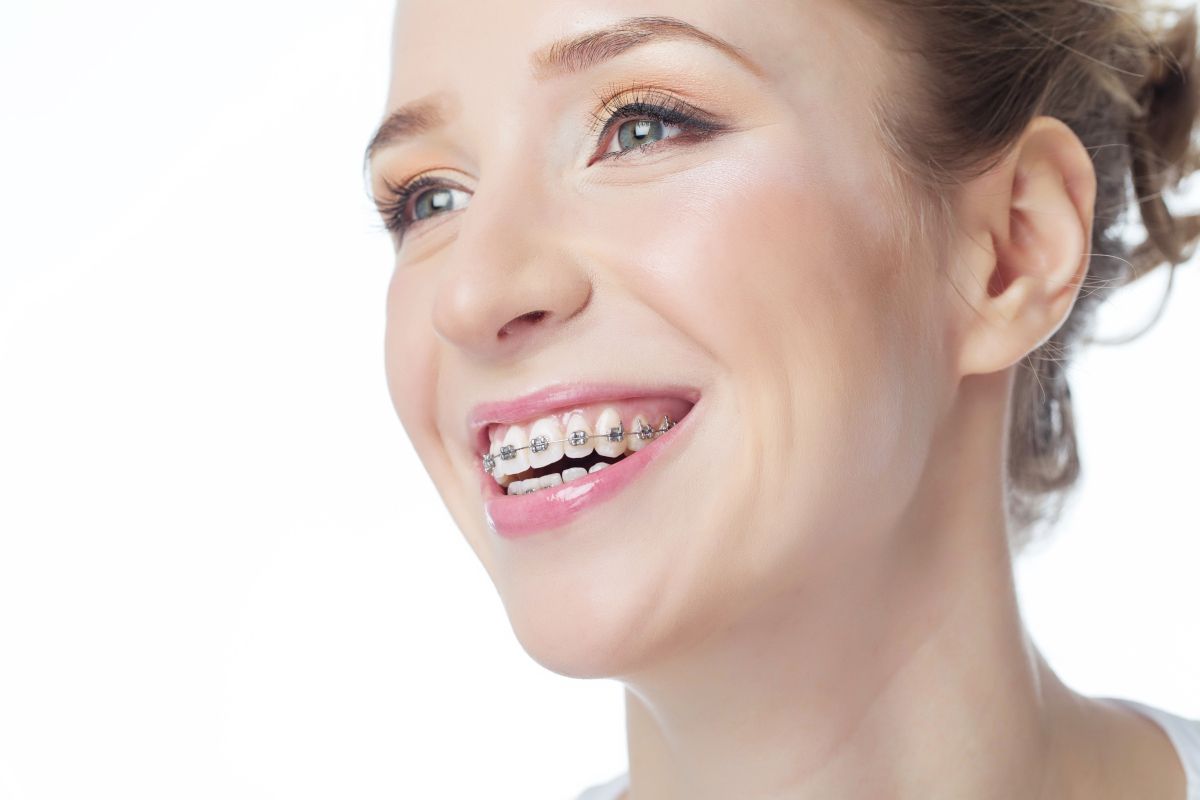
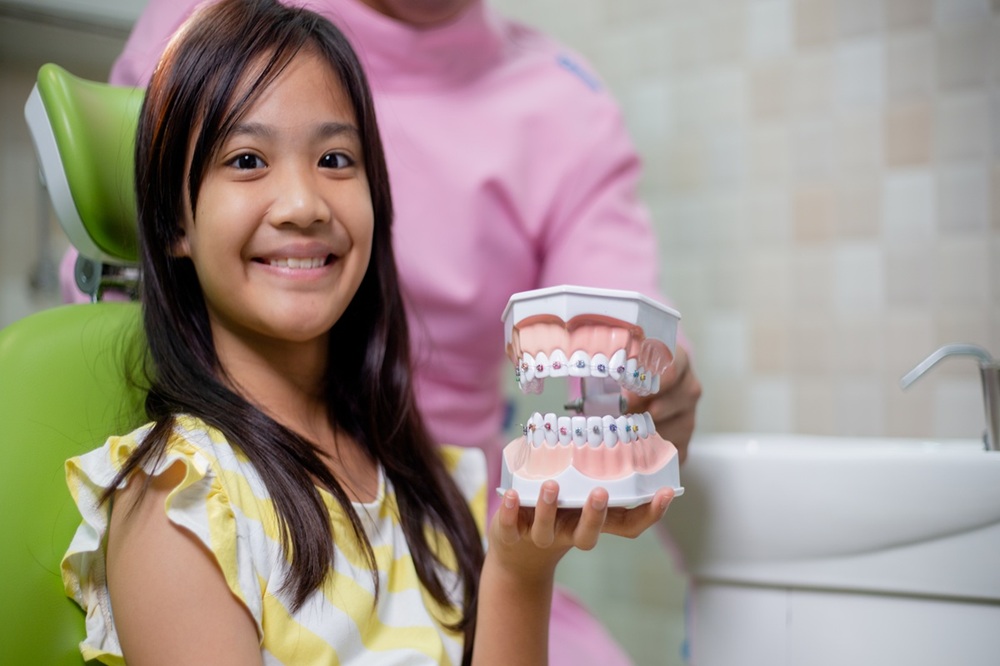
Traditional metal braces. Today’s metal braces are smaller and more comfortable than the braces many parents remember. They’re durable, effective for complex cases, and kids can personalize them with colorful bands for Temple Wildcats spirit week or the holidays.
Invisalign Teen and Invisalign. Clear, removable aligners are a great option for responsible teens and adults with many types of alignment issues. They come out for meals, sports, and brushing, but need to be worn 20 to 22 hours a day to work.
Our team will recommend the option that fits your child’s needs, habits, and lifestyle, not a one-size-fits-all plan.
What Treatment Looks Like
- Evaluation. We examine your child’s teeth, bite, and jaw and take X-rays and records.
- Treatment plan. We explain whether treatment is needed now, later, or not at all, and outline options, timelines, and costs.
- Placement. Braces are placed in a comfortable, no-shot appointment. Aligners are fitted and explained.
- Regular adjustments. Periodic visits keep treatment on track.
- Retainers. After braces come off, retainers keep the new smile in place.
Tips for Life With Braces
- Avoid sticky and hard foods like caramel, taffy, popcorn kernels, and ice
- Brush after meals and use floss threaders or a water flosser
- Wear a mouthguard during sports
- Keep orthodontic wax handy for any rubbing wires
- Keep every adjustment appointment
One Office for the Whole Family
At Your Total Dental & Orthodontics, general dentistry and orthodontics are under one roof. Kids can get cleanings, checkups, and orthodontic care in the same familiar office, which makes scheduling easier for busy Temple and Belton families.
Book Your Child’s Orthodontic Check
If your child is 7 or older and hasn’t had an orthodontic evaluation, now is a great time. Visit our Temple office at 3550 S General Bruce Dr, Suite 103D, or call 254-534-6022 to schedule an appointment.
Frequently Asked Questions
1. Does my 7-year-old need braces?
Most don’t need braces yet. An early check helps identify problems early and decide whether to treat now, later, or simply monitor growth.
2. How long do kids usually wear braces?
Many cases take about 18 to 24 months, depending on how much correction is needed.
3. Do braces hurt?
Placing braces doesn’t hurt. Teeth may feel sore for a few days after placement and adjustments, which over-the-counter pain relievers and soft foods usually help.
4. Will insurance cover braces?
Many dental plans include orthodontic benefits for children. Our team will review your coverage and discuss payment options.