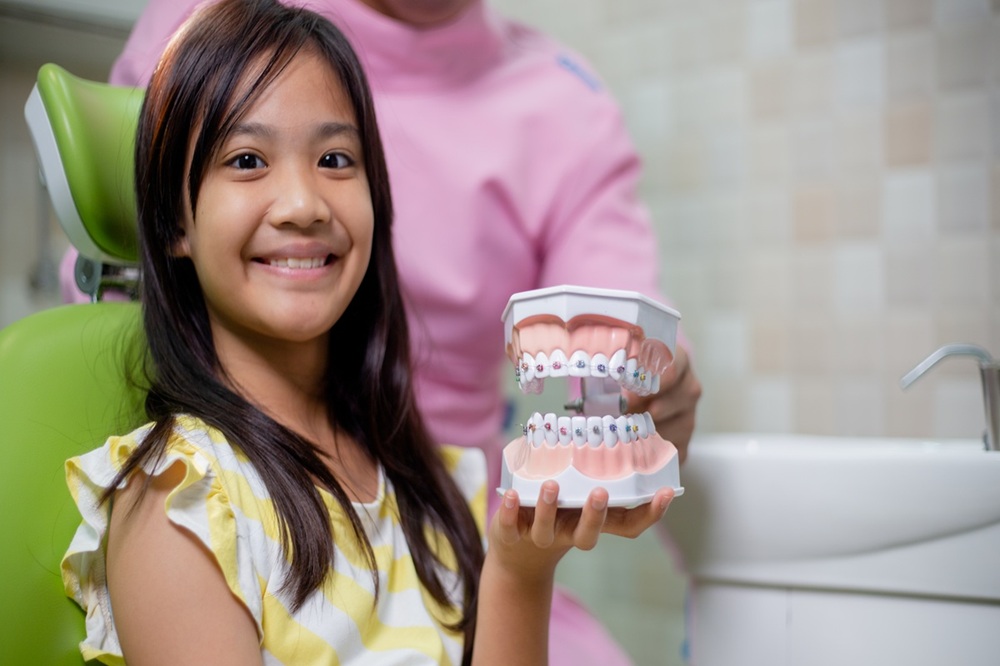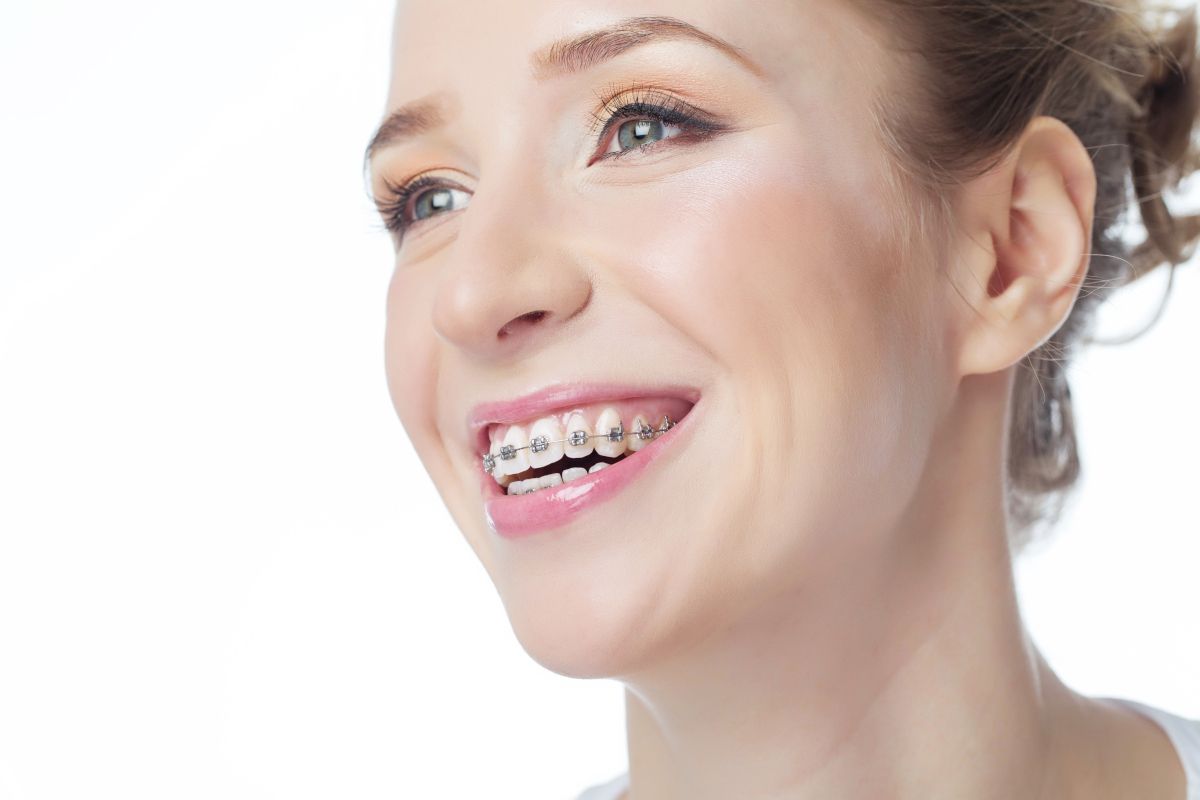

In general, Invisalign suits busy adults who can reliably wear aligners 20–22 hours a day and prefer no food restrictions, while braces suit those who want a no‑removal, always‑on option for complex movements without worrying about daily wear time compliance.
Both paths can take roughly 12–24 months on average depending on the case, and long‑term retainers are required after either choice to protect results.
Why This Decision Matters
Choosing the right treatment affects daily routines around meals, coffee, hygiene, and scheduling, as well as total time to results and lifetime maintenance.
Understanding wear‑time expectations, food limitations, treatment duration, and retention helps set up a smooth plan that fits a full work and family calendar.
How Invisalign Fits Busy Schedules
Clear aligners are removable for meals and drinks other than water, so there are no food restrictions during treatment, but consistent wear of 20–22 hours daily is essential.
Taking aligners out for every coffee, snack, or meal can cut into wear time, and poor compliance may slow progress or extend treatment.
When Braces Make More Sense
Fixed braces stay on 24/7, which removes the daily decision to wear the appliance and keeps tooth movement on schedule without relying on personal discipline.
However, braces require avoiding hard, sticky, and crunchy foods to prevent broken brackets and delays, which some adults find inconvenient.
Treatment Time Expectations
Most comprehensive orthodontic plans finish in about 12–24 months, with simpler cases sometimes shorter and complex corrections taking longer.
Aligners can match braces on timing when wear is consistent, while complex bite or rotation movements may be handled more efficiently with fixed appliances.
Daily routine: eating, coffee, hygiene
Aligners come out for meals and drinks besides water, then go back in promptly to maintain the 20–22 hour target, which is a key habit for predictable results.
Braces allow spontaneous eating without removal, but require mindful food choices to avoid appliance damage and extra visits for repairs.
Comfort and Appearance
Many adults appreciate that aligners are low‑profile and smooth, and they can be removed for short events or photos as long as total daily wear remains on target.
Braces can be noticeable and may cause occasional irritation, but they work continuously and don’t depend on remembering to reinsert trays.
Appointments and Follow‑ups
Both treatments require periodic check‑ins to monitor movement and make adjustments, with timelines individualized to the plan and progress.
Missed wear time with aligners can trigger extra visits or refinements, while diet‑related breakages with braces may add repair appointments.
Retainers protecting the investment
After active treatment, retainers are essential as many clinicians recommend full‑time wear initially, then nightly long‑term to prevent relapse.
Expect to replace removable retainers over time as part of routine maintenance of the new smile.
Quick decision guide
Choose Invisalign if consistent daily wear is realistic and the flexibility to remove trays for eating, presentations, or events fits a busy lifestyle.
Choose braces if a reliable, always‑on appliance better matches a packed schedule or if the case involves movements typically managed more predictably with fixed gear.
When to schedule a consult
A professional exam with imaging will clarify case complexity, estimated timeline, and the daily habits most likely to keep treatment on track.
With the right plan and retention, both Invisalign and braces can deliver lasting results that fit work, family, and life.