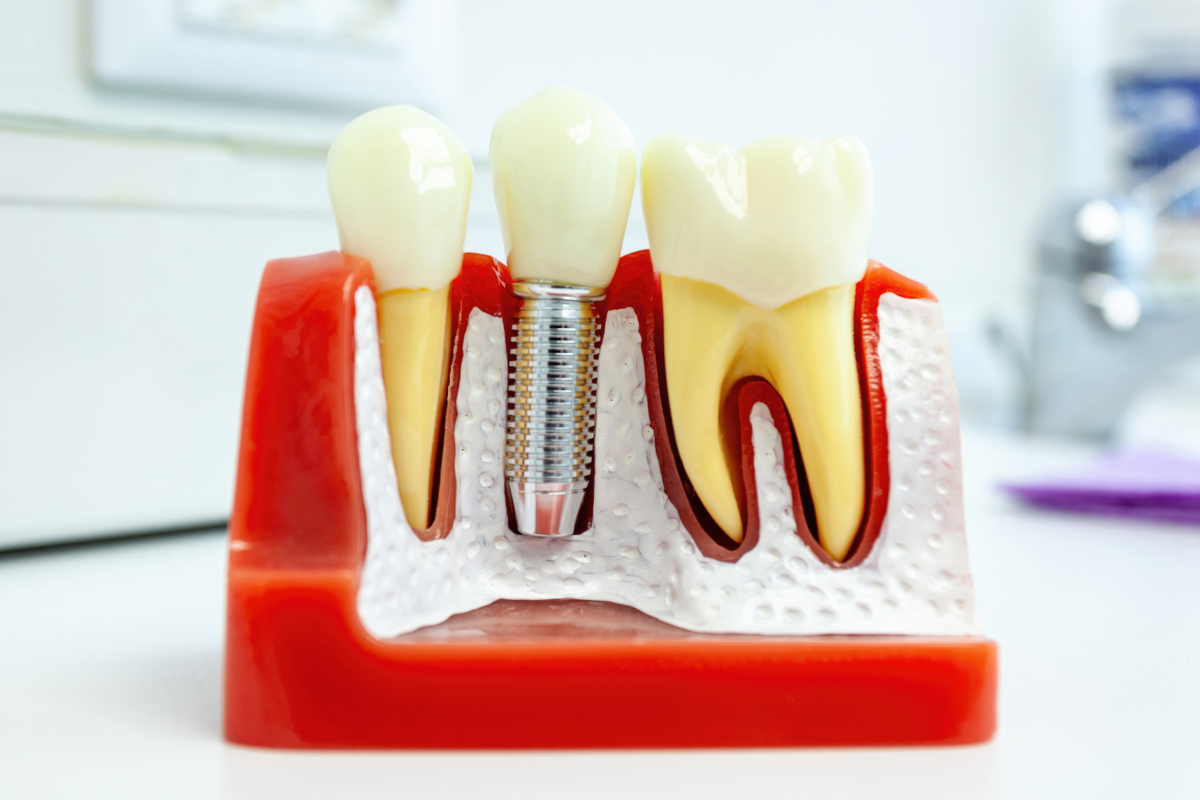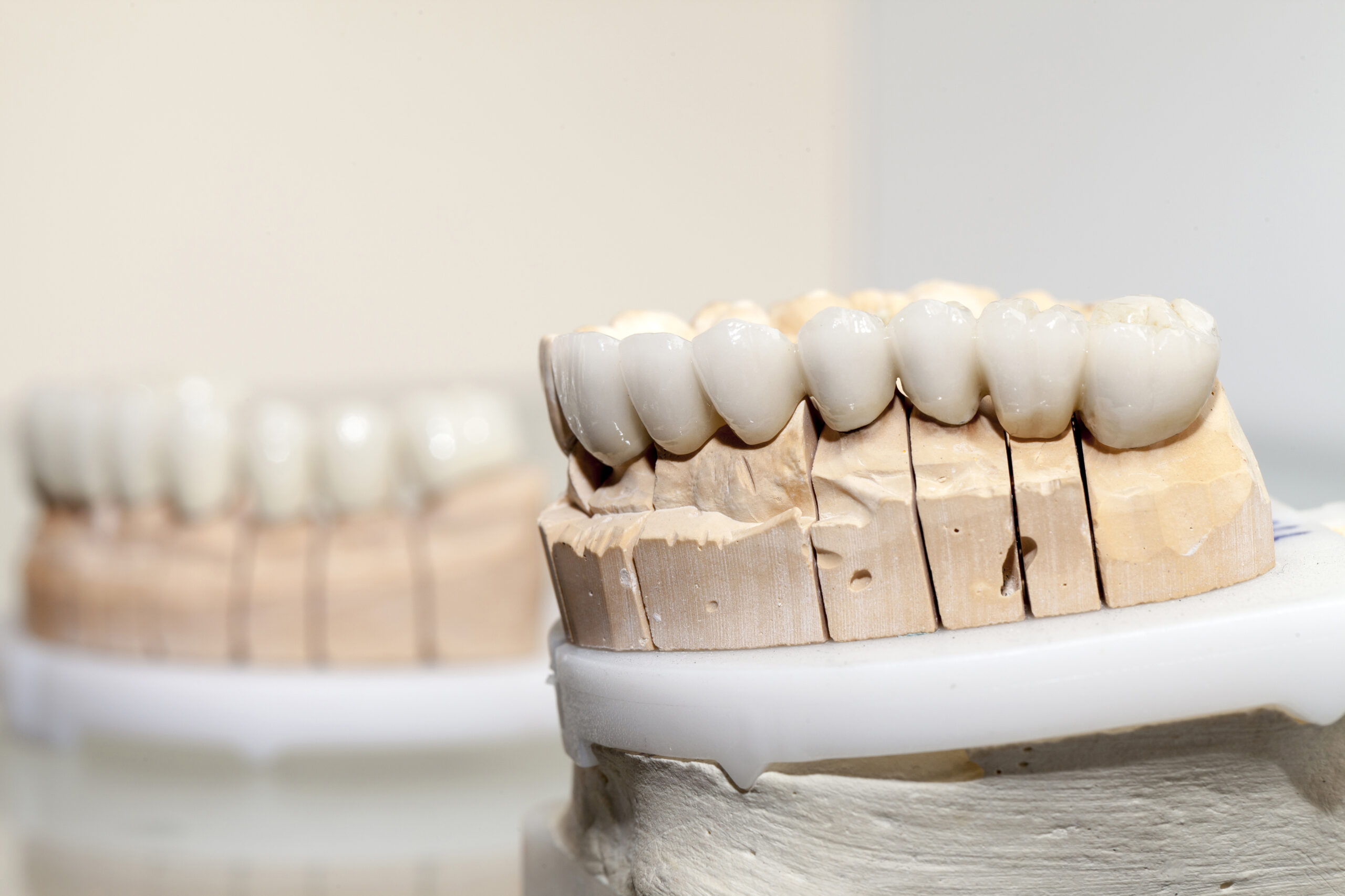

When a tooth has a large cavity, visible cracks, or takes heavy bite pressure after a root canal, a crown is typically the safer choice. If the access opening is small and the remaining tooth is strong—especially in front teeth—a high‑quality filling or bonded restoration is often enough.
Why protection matters
A root canal removes infection and pain inside the tooth but does not rebuild lost enamel, so the outer structure still needs a secure restoration to handle biting forces.
Crowns cover the entire visible tooth to add strength and resist fractures, which is why they are often recommended for cracked, weakened, or heavily restored teeth after treatment.
When a crown is the safer choice
A crown is commonly advised when decay or old fillings have removed a large portion of the tooth, when there are cracks, or when the tooth is a premolar or molar that takes heavier chewing loads.
Health authorities note a crown may be necessary after a root canal to prevent the tooth from fracturing under everyday function.
If more than half of the crown of the tooth is missing or the tooth walls are thin, a full‑coverage crown provides predictable reinforcement.
When a filling may be enough
If the root canal access is small and the remaining tooth structure is strong—common with some front teeth—a bonded filling or core build‑up can restore form and seal the tooth effectively.
Tooth‑colored composite fillings are designed for minor decay or limited damage and can be completed in a single visit with a natural look.
Back vs. front teeth
Molars and premolars do most of the chewing, making them more prone to post‑treatment fractures without cuspal coverage, so crowns are frequently recommended there.
Front teeth face lighter forces and, when minimally damaged, may be restored successfully with bonded fillings that preserve more natural enamel.
Timing matters for longevity
Studies show that placing the permanent restoration promptly after the root canal supports long‑term survival by sealing the tooth and stabilizing the structure.
Delays of weeks to months before final coverage can increase risks from leakage or flexing, especially when a crown is planned, so an efficient handoff and schedule help results.
What to expect from each option
Crowns typically take two visits—preparation with a temporary, then placement of a custom, lab‑made crown that restores strength and appearance.
A filling is usually completed in one visit to remove decay, place the bonded material, and polish the surface to match the bite and smile.
Comfort, appearance, and daily use
Modern crowns use durable, tooth‑colored materials like porcelain or ceramic for a natural look and reliable chewing comfort.
Composite fillings blend with enamel, conserve more tooth, and are a conservative choice when damage is limited.
How dentists help decide
The recommendation is based on X‑rays, the amount of healthy tooth left, presence of cracks, bite forces, and the location of the tooth.
The shared goal is to choose the least invasive option that still provides long‑term strength and a dependable seal against future problems.
Simple decision guide
- Crown is likely best if the tooth has a large cavity, multiple or large fillings, visible cracks, or is a back tooth under heavy chewing.
- Filling may be appropriate if damage is minor, the tooth walls are strong, and the tooth is in a low‑stress position (often front teeth).
- Prioritize timely final restoration after the root canal to protect the result and reduce complications.
Ready for next steps
For patient‑first guidance and natural‑looking results, Your Total Dental & Orthodontics in Manor offers tooth‑colored fillings for minor damage and custom crowns for stronger, long‑term protection.
A quick evaluation will confirm whether a crown or filling fits the tooth’s condition, budget, and timeline so recovery feels simple and secure