


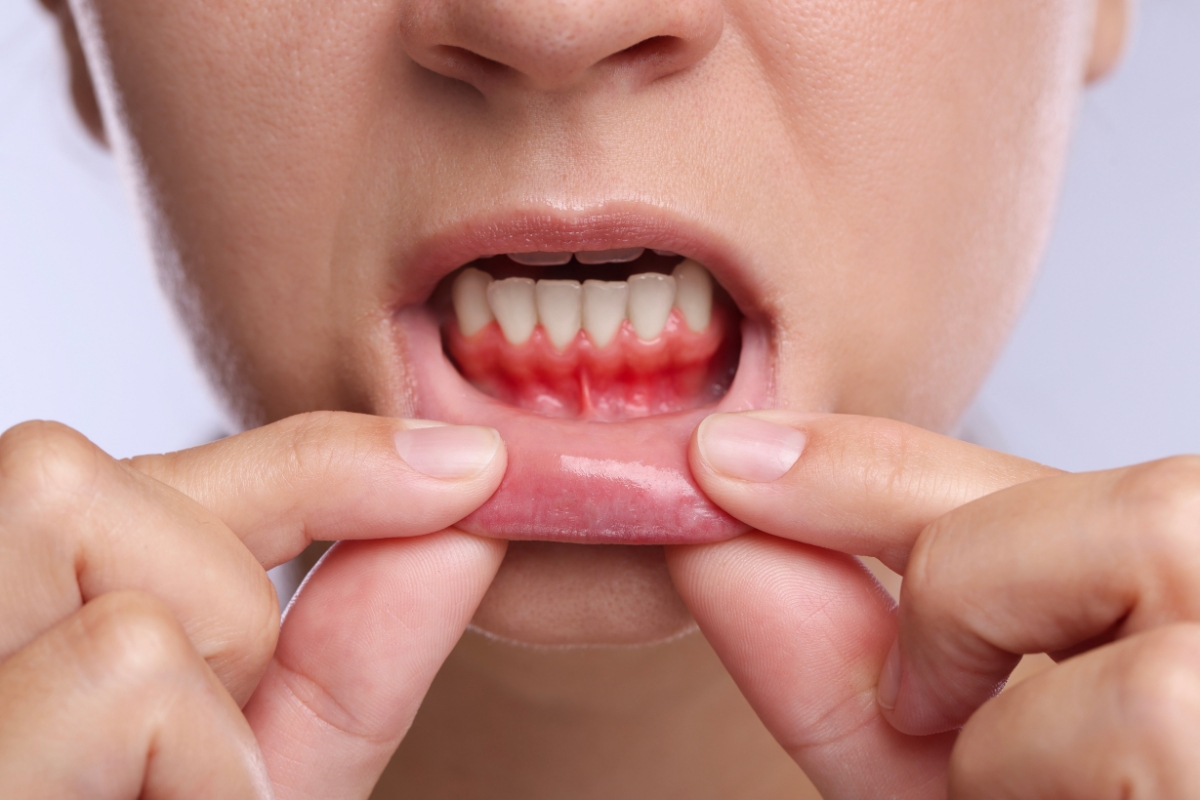
Bleeding gums while brushing might seem harmless, but they can be an early warning sign of a problem developing beneath your gumline. What starts as mild inflammation can eventually affect the tissues and bone supporting your teeth.
The good news is that early gum disease can often be reversed without surgery. Even when the condition progresses, nonsurgical care may help control the infection and prevent further damage.
At Your Total Dental & Orthodontics – Temple, patients can get professional evaluations to understand their gum health and explore treatment options before complications develop.
Can Gum Disease Be Reversed Without Surgery?
Yes, but the answer depends on how far the condition has progressed. Dentists generally classify periodontal disease into two major stages: gingivitis and periodontitis.
Gingivitis is the earliest stage. It causes inflammation without permanent damage to the bone supporting your teeth. With professional cleaning and consistent oral hygiene, gingivitis is usually reversible.
Periodontitis is more advanced. It develops when inflammation and infection affect the deeper supporting tissues and bone. Although routine nonsurgical care generally can’t restore lost bone and attachment, treatment can help stabilize the condition.
This distinction matters because early diagnosis may allow patients to avoid more extensive procedures.
What Are the Early Signs of Gum Disease?
Periodontal problems often develop gradually, and discomfort may be minimal early on. Recognizing changes in your gums can help you seek care before the condition progresses.
Common warning signs include:
- Bleeding when brushing or flossing
- Red, swollen, or tender gums
- Persistent bad breath
- Gum recession or teeth appearing longer
- Sensitivity around exposed tooth roots
- Changes in how your teeth fit together
- Loose teeth in more advanced cases
Don’t automatically dismiss bleeding gums as normal. Even without pain, persistent inflammation deserves professional evaluation.
Which Nonsurgical Gum Disease Treatments Actually Work?
Several periodontal treatments can improve gum health without surgery. The right approach depends on inflammation severity, pocket depth, and whether supporting bone is affected.
Professional Dental Cleaning for Early Gingivitis
When inflammation is limited to the gums, a professional cleaning may remove plaque and hardened tartar.
Your dentist or dental hygienist can also identify areas where plaque repeatedly accumulates and recommend improvements to your daily oral hygiene routine.
Scaling and Root Planing for Periodontitis
Scaling and root planing, commonly called deep cleaning, is a standard nonsurgical approach for managing periodontitis.
Scaling removes plaque and tartar from tooth surfaces above and below the gumline. Root planing smooths contaminated root surfaces and helps create conditions that support gum healing.
This procedure may require local anesthesia and can be completed over one or more appointments.
Antimicrobial Treatment When Necessary
In certain cases, a dentist may recommend antimicrobial products or medications as an addition to mechanical cleaning.
However, antibiotics aren’t routinely necessary for every patient. Dentists use them selectively based on clinical findings and the infection’s nature.
Periodontal Maintenance to Prevent Recurrence
After active treatment, ongoing maintenance appointments help control bacterial buildup and monitor changes in gum health.
Patients with periodontitis may need more frequent visits than those receiving routine preventive cleanings.
How Does Professional Gum Disease Treatment Work?
Professional care begins with understanding what’s happening beneath the gumline. At Your Total Dental & Orthodontics – Temple, a dental evaluation can help determine whether nonsurgical care is appropriate.
The assessment may include measuring periodontal pocket depths, checking for bleeding, examining gum recession, and reviewing dental X-rays for bone loss.
Based on these findings, the dentist may recommend professional cleaning, scaling and root planing, or further periodontal evaluation.
After treatment, follow-up measurements help determine whether inflammation has improved and whether additional care is necessary.
How Long Does It Take to Reverse Gum Disease Without Surgery?
Healing time depends on the condition’s severity and how consistently patients follow their recommended care plan.
With gingivitis, bleeding and swelling may improve within days or weeks after plaque removal and better oral hygiene.
For periodontitis, healing after deep cleaning generally takes longer. Dentists often reassess gum health approximately four to six weeks after initial treatment.
Some patients achieve improved periodontal stability through nonsurgical therapy alone. Others may require additional procedures if deep pockets or persistent inflammation remain.
Can You Reverse Gum Disease Naturally at Home?
Good home care is essential, but it cannot replace professional treatment when hardened tartar or deep periodontal pockets are present.
Daily habits that support healthier gums include:
- Brushing twice daily with fluoride toothpaste
- Cleaning between teeth using floss or interdental brushes
- Using a soft-bristled toothbrush
- Avoiding tobacco and nicotine products
- Managing diabetes when applicable
- Attending recommended dental appointments
Saltwater rinses may temporarily soothe irritated tissues, but they cannot remove tartar or reverse bone loss.
Likewise, oil pulling and herbal remedies haven’t been shown to replace established periodontal treatments.
When Is Surgery Necessary for Advanced Gum Disease?
Not every patient with periodontitis needs surgery. However, surgical treatment may be considered when nonsurgical therapy doesn’t adequately control the condition.
Deep periodontal pockets, persistent inflammation, and certain bone defects can make thorough cleaning difficult.
Depending on the clinical findings, a periodontal specialist may recommend procedures that improve access for cleaning or address damaged supporting tissues.
The goal is to preserve natural teeth and maintain stable periodontal health whenever possible.
How Can Temple Patients Prevent Gum Disease From Returning?
Long-term periodontal health requires consistent care after the initial symptoms improve.
Even when inflammation resolves, bacterial plaque can accumulate again if oral hygiene becomes inconsistent.
Patients should keep regular dental visits, follow personalized home-care recommendations, and promptly report new symptoms.
If you have previously received gum disease treatment, periodontal maintenance may be especially important to reduce the risk of recurrence.
Take the First Step Toward Healthier Gums in Temple
Gum problems don’t always require surgery, especially when inflammation is identified early. Understanding the difference between reversible gingivitis and more advanced periodontitis can help you make informed decisions about your oral health.
At Your Total Dental & Orthodontics – Temple, patients can request a periodontal evaluation to identify the cause of bleeding, swelling, or gum recession. Contact our office today to discuss your symptoms and schedule an appointment before minor concerns develop into more serious dental problems.
Frequently Asked Questions
1. Can early gum disease go away without surgery?
Yes, gingivitis is usually reversible with professional cleaning and improved oral hygiene. Temple patients can schedule an examination to determine whether their condition is still in the early stage.
2. Can advanced gum disease be treated without surgery?
Sometimes. Scaling and root planing can help manage periodontitis and reduce inflammation. However, advanced damage may require additional procedures depending on pocket depths and bone loss.
3. Is deep cleaning painful for patients with gum disease?
Local anesthesia can help keep patients comfortable during scaling and root planing. Mild sensitivity afterward is possible, but it usually improves as the tissues heal.
4. How much does gum disease treatment cost in Temple, TX?
Costs depend on disease severity, the number of areas requiring care, and the recommended procedures. A dental evaluation provides a clearer estimate based on your individual needs.
5. Can bleeding gums become healthy again?
Yes, when bleeding is caused by gingivitis, removing plaque and maintaining proper oral hygiene can help restore gum health. Persistent bleeding should be evaluated by our dentist.
6. Does gum disease always cause tooth loss?
No. Early diagnosis and appropriate periodontal care can help preserve natural teeth. Without treatment, advanced periodontitis can damage supporting tissues and increase the risk of tooth loss.
7. How often should I visit a dentist after periodontal treatment?
The recommended schedule depends on your periodontal health and risk factors. Many patients with a history of periodontitis benefit from maintenance visits approximately every three to four months.
