A brighter smile can make a lasting impression, but will your teeth stay white six months or even two years after treatment? If you regularly drink coffee, enjoy dark-colored foods, or occasionally skip flossing, your whitening results might fade sooner than expected.
Professional teeth whitening can significantly improve tooth discoloration, but the results are not permanent. Understanding what causes stains to return can help you maintain a brighter smile for longer.
At Your Total Dental & Orthodontics – Cove, patients can explore professional whitening options to address tooth discoloration. Whether you recently completed whitening or are considering treatment in Copperas Cove, knowing what affects your results can help you make informed decisions.
How Long Does Professional Teeth Whitening Last Before Teeth Become Yellow Again?
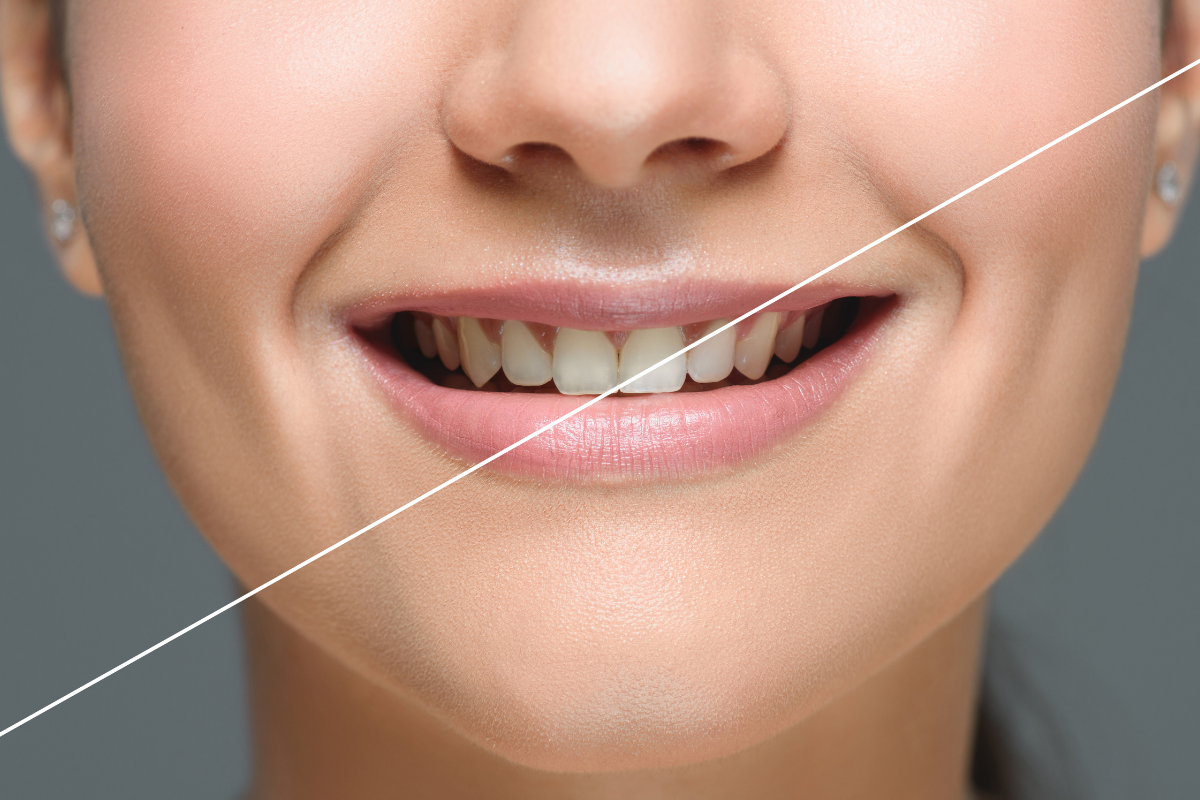
Professional teeth whitening results typically last 6 months to 3 years, depending on individual circumstances. Some patients maintain noticeable improvements longer, while others experience gradual discoloration within several months.
Several factors determine how quickly your teeth lose their brightness:
- Frequency of consuming staining foods and beverages
- Tobacco use and smoking habits
- Daily brushing and flossing routines
- Natural enamel characteristics and aging
- Frequency of professional dental cleanings
- Whitening maintenance and touch-up treatments
The key takeaway: Teeth whitening does not permanently change your natural tooth color. Instead, whitening agents break down stain-causing compounds, while daily habits influence how quickly discoloration returns.
7 Habits That Can Make Professional Teeth Whitening Results Fade Faster
Your whitening treatment is only one part of maintaining a brighter smile. The following seven habits can significantly affect how long your results remain noticeable.
1. Drinking Coffee, Tea, and Red Wine Every Day
Coffee, tea, and red wine contain pigments that can accumulate on tooth surfaces. Frequent exposure increases the likelihood that stains will return after whitening.
How to protect your results: Drink water after consuming staining beverages and avoid sipping them continuously throughout the day. Using a straw for suitable cold beverages may also reduce direct contact with your front teeth.
2. Smoking or Using Tobacco Products
Nicotine and tobacco-related compounds can contribute to yellow or brown tooth discoloration. Continued tobacco use may cause whitening results to fade more quickly.
Quitting tobacco helps reduce future staining and supports better oral health. Patients who continue smoking may require more frequent whitening maintenance.
3. Skipping Brushing and Flossing
Plaque and surface deposits can make teeth appear dull, even after professional whitening. Poor oral hygiene also increases the risk of cavities and gum inflammation.
Brush twice daily with fluoride toothpaste and clean between your teeth once daily. Consistent oral hygiene helps maintain a cleaner, brighter-looking smile.
4. Eating Foods That Commonly Stain Teeth
Tomato sauce, berries, curry, and dark-colored condiments contain pigments that may contribute to discoloration.
You do not need to eliminate these foods from your diet. Instead, rinse your mouth with water after meals and brush regularly to reduce stain buildup.
5. Using Whitening Products Too Often
Frequent use of whitening strips, gels, or other bleaching products does not necessarily produce better results. Excessive whitening can increase tooth sensitivity and irritate gum tissue.
Patients considering professional teeth whitening in Copperas Cove, TX, should follow their dentist’s recommended treatment instructions.
At Your Total Dental & Orthodontics in Cove, Dr. Lomboy can help patients understand their whitening options and appropriate maintenance routines based on their oral health needs.
6. Missing Regular Dental Cleanings
Professional dental cleanings remove plaque, tartar, and certain surface stains that brushing alone cannot eliminate.
Skipping routine appointments can let deposits build up, making teeth look darker over time. Regular dental visits also help identify oral health concerns before additional whitening.
7. Ignoring Teeth Whitening Touch-Ups
Whitening results gradually fade because teeth remain exposed to foods, beverages, and natural aging.
Dentist-recommended touch-ups may help maintain your preferred shade. However, whitening frequency should depend on your dental health, sensitivity, and treatment history rather than a fixed schedule.
How Can You Make Professional Teeth Whitening Last Longer?
Maintaining whitening results does not require major lifestyle changes. A few consistent habits can help reduce new staining and preserve your smile’s appearance.
- Maintain daily oral hygiene: Brush twice daily and floss once daily.
- Limit frequent staining beverages: Reduce prolonged exposure to coffee, tea, and dark-colored drinks.
- Stay hydrated: Drinking water helps rinse away food particles and pigments.
- Avoid tobacco: Tobacco use can quickly contribute to discoloration.
- Schedule dental cleanings: Regular appointments help remove surface deposits.
- Follow whitening instructions: Use touch-up products only as your dentist recommends.
These teeth whitening aftercare tips can help maintain your results while supporting overall oral health.
Is Professional Teeth Whitening Better Than Over-the-Counter Whitening Products?
Professional whitening offers dentist-guided treatment planning, while over-the-counter products generally use standardized application methods.
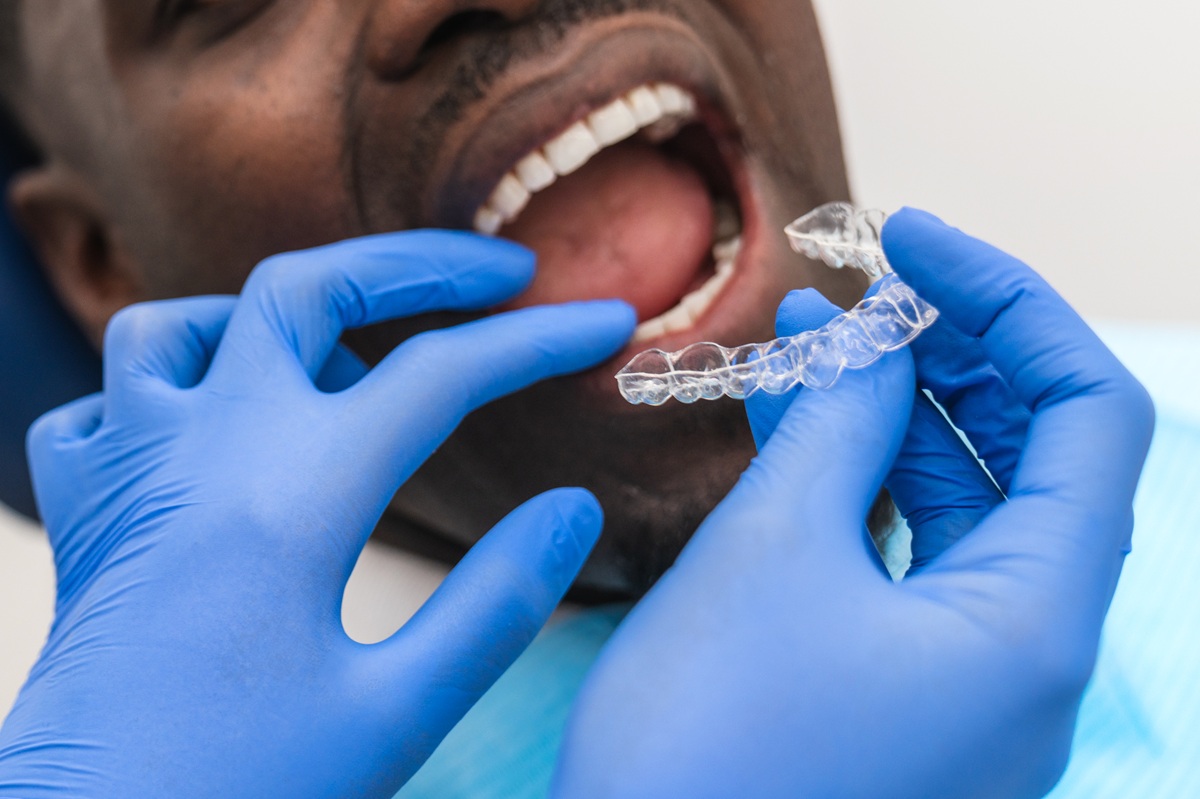
Custom whitening trays are designed to fit individual teeth, helping distribute whitening gel more consistently. Store-bought strips may improve mild stains, but their effectiveness depends on the product and correct application.
The practice’s whitening service includes custom take-home trays and professional-grade whitening gel. The practice provides treatment instructions based on individual needs.
Neither professional nor store-bought whitening provides permanent results. Choosing an appropriate treatment and following proper maintenance practices are important for long-term satisfaction.
Keep Your Smile Brighter With Teeth Whitening in Copperas Cove
Professional whitening can improve the appearance of stained teeth, but maintaining those results requires consistent care. Reduce stain exposure, practice proper oral hygiene, and follow your dentist’s recommended maintenance to help preserve your brighter smile.
At Your Total Dental & Orthodontics – Cove, Dr. Lomboy and the dental team can help you explore whitening options suited to your smile goals.
Schedule your teeth whitening consultation in Copperas Cove and take the next step toward a brighter, more confident smile.
Frequently Asked Questions
1. How long do professional teeth whitening results last?
Results typically last 6 months to 3 years. Longevity depends on oral hygiene, diet, tobacco use, and maintenance.
2. Can professional teeth whitening last five years?
Some improvement may remain visible for several years, but it typically doesn’t last five years without fading. New stains and natural aging gradually affect tooth color.
3. How often should you get professional teeth whitening?
There is no fixed schedule for everyone. Our dentist can recommend appropriate touch-ups based on staining, sensitivity, and previous treatment results.
4. Does drinking coffee ruin teeth whitening results?
Coffee does not immediately reverse whitening, but frequent consumption can gradually cause staining. Drinking water afterward may help reduce pigment exposure.
5. Why are my teeth turning yellow again after whitening?
Recurring discoloration may result from dietary stains, tobacco, plaque accumulation, or aging. Some underlying tooth discoloration may require a different treatment approach.
6. Can teeth whitening damage your enamel?
Properly supervised peroxide-based whitening is generally safe. However, excessive or incorrect use may cause temporary sensitivity and gum irritation.
7. Does professional teeth whitening work on crowns and veneers?
Whitening agents do not change the color of crowns, veneers, or tooth-colored fillings. The dentist can evaluate whether whitening may create noticeable shade differences.