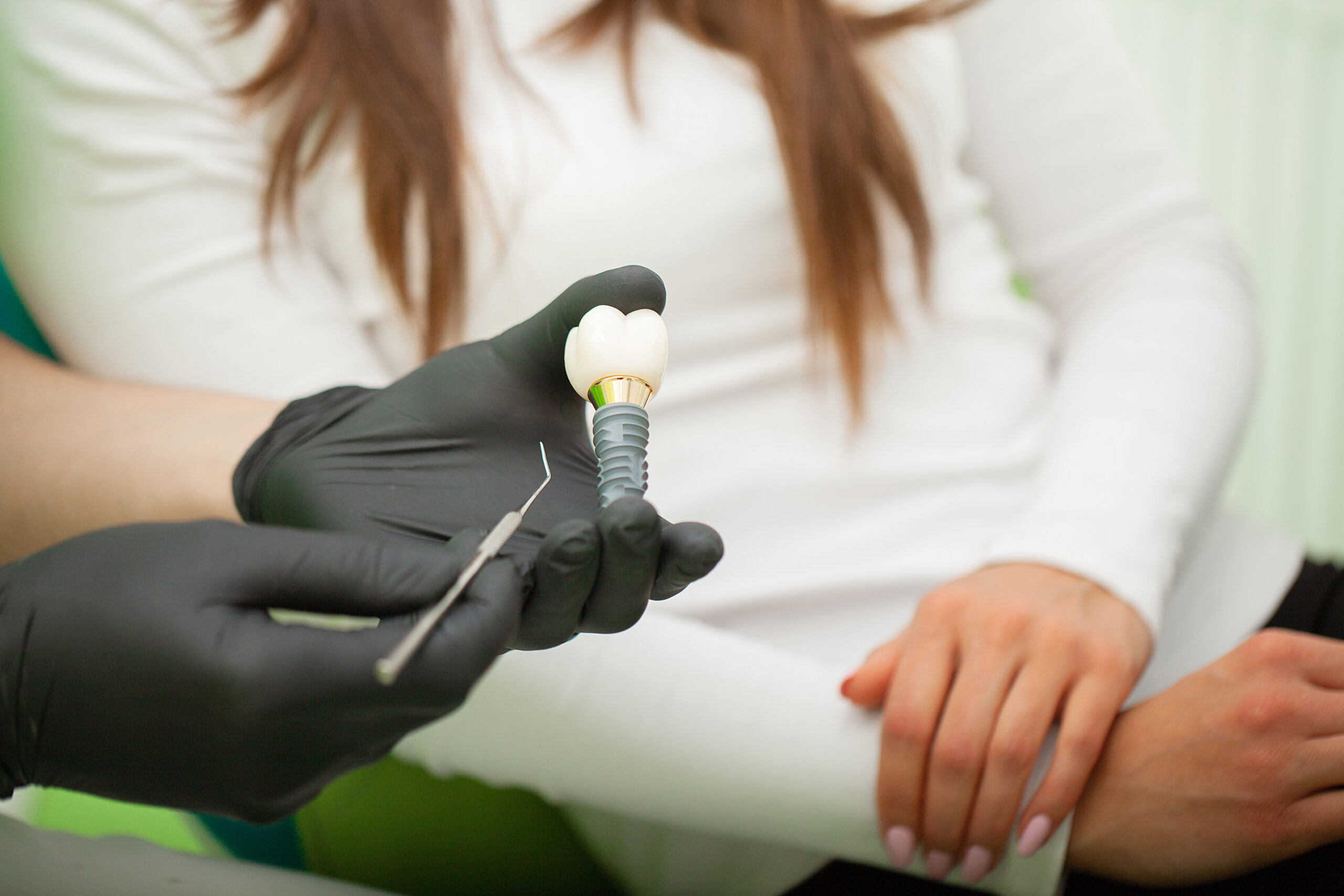
Congratulations on taking the important step toward restoring your smile with dental implants! This modern tooth replacement solution offers incredible benefits, from improved appearance and functionality to long-lasting durability. However, the success of your dental implants doesn’t end when you leave the dental chair. What you do and more importantly, what you don’t do in the days and weeks following your surgery plays a crucial role in ensuring proper healing and long-term success.
Understanding the recovery process and knowing which activities to avoid can make the difference between a smooth, successful healing period and potential complications that could compromise your results. While dental implants have an impressive success rate when placed by experienced professionals, following post-operative instructions carefully is essential for optimal outcomes.
This comprehensive guide will walk you through the critical “don’ts” after dental implant surgery, helping you navigate the recovery period with confidence and setting you up for the best possible results.
Don’t Disturb the Surgical Site
One of the most important things to avoid after dental implant surgery is touching, prodding, or disturbing the surgical site in any way. It might be tempting to check on the area with your tongue or fingers, especially as you become curious about how it’s healing. However, touching the surgical site introduces bacteria from your hands or other parts of your mouth, significantly increasing the risk of infection.
Your body is working hard to heal the area and integrate the implant with your jawbone through a process called osseointegration. Any unnecessary disturbance can disrupt this delicate healing process. Avoid pressing on the area, poking it with your tongue, or trying to inspect it too closely in the mirror. If you have concerns about how the site is healing, contact your dentist rather than investigating on your own.
Similarly, resist the urge to rinse vigorously or spit forcefully during the first 24 hours after surgery. Vigorous rinsing or spitting can dislodge the blood clot that forms over the surgical site, leading to a painful condition called dry socket and delayed healing. After the first day, you can gently rinse with warm salt water as directed by your dentist, but always do so gently.
Don’t Skip Your Medications
Your dentist will likely prescribe medications to manage pain, prevent infection, and reduce inflammation after your dental implant surgery. It’s absolutely crucial that you take all prescribed medications exactly as directed, even if you start feeling better before finishing the full course.
Antibiotics, in particular, must be taken for the entire prescribed duration. Stopping antibiotics early because you feel better can allow bacteria to survive and potentially cause an infection. Even if the surgical site looks and feels fine, microscopic bacteria may still be present, and completing the full antibiotic course ensures they’re completely eliminated.
Pain medications and anti-inflammatory drugs help keep you comfortable and reduce swelling during the healing process. Take these medications on schedule as recommended by your dentist, rather than waiting until pain becomes severe. Staying ahead of pain is much easier than trying to control it once it intensifies. At Your Total Dental, we provide detailed post-operative instructions and are always available to answer questions about your medications.
Don’t Eat Hard, Crunchy, or Chewy Foods
Your diet plays a significant role in your recovery after dental implant surgery. For the first several days to weeks, you’ll need to avoid certain foods that could damage the surgical site or dislodge the implant before it has properly integrated with your bone.
Hard foods like nuts, raw vegetables, hard candies, and ice should be completely avoided. These foods require significant biting force and can put excessive pressure on the healing implant, potentially causing it to shift or fail. Crunchy foods like chips, crackers, and toast can break into sharp pieces that might irritate or damage the surgical site. Chewy foods such as bagels, tough meats, and sticky candies require prolonged chewing that stresses the implant area.
Instead, stick to a soft food diet during the initial healing period. Excellent choices include smoothies, yogurt, mashed potatoes, scrambled eggs, soups, protein shakes, oatmeal, and well-cooked pasta. As healing progresses, you can gradually reintroduce firmer foods, but always follow your dentist’s specific timeline for expanding your diet. Chew on the opposite side of your mouth from the implant site whenever possible to minimize stress on the healing area.
Don’t Use Straws or Smoke
Using straws might seem harmless, but the suction created when drinking through a straw can actually dislodge the blood clot protecting your surgical site, leading to complications. This suction effect is similar to what happens when you spit forcefully, and it can interfere with proper healing. For at least the first week after surgery, drink all liquids directly from a cup or glass, avoiding straws entirely.
Smoking is one of the worst things you can do after dental implant surgery—or at any time, for that matter. Tobacco use significantly impairs healing by restricting blood flow to the surgical site, which deprives the area of the oxygen and nutrients needed for proper recovery. Smoking also increases your risk of infection and implant failure. The chemicals in tobacco interfere with osseointegration, the critical process where your bone fuses with the implant.
If you smoke, your dentist will strongly recommend quitting before your implant surgery and staying smoke-free throughout the healing process. Ideally, you should avoid smoking for at least two weeks before surgery and several months afterward. Many patients use dental implant surgery as motivation to quit smoking permanently, which benefits not only their oral health but their overall well-being.
Don’t Engage in Strenuous Physical Activity
While staying active is generally good for your health, strenuous exercise and physical exertion should be avoided for several days after dental implant surgery. Vigorous activities increase your heart rate and blood pressure, which can lead to increased bleeding, swelling, and throbbing pain at the surgical site.
For the first 48 to 72 hours after surgery, limit yourself to light activities and plenty of rest. Avoid heavy lifting, running, intense cardio workouts, contact sports, and any activity that could result in trauma to your face or mouth. Even bending over repeatedly or straining can increase blood flow to your head and potentially cause bleeding at the surgical site.
After the initial recovery period, you can gradually resume normal activities, but listen to your body and avoid anything that causes discomfort. Most patients can return to regular exercise within a week, but always follow your dentist’s specific recommendations based on the extent of your surgery and your individual healing progress.
Don’t Neglect Your Oral Hygiene
While you need to be gentle around the surgical site, don’t make the mistake of abandoning your oral hygiene routine entirely. Maintaining a clean mouth is essential for preventing infection and promoting healing. However, your approach needs to be modified during the recovery period.
Continue brushing your teeth twice daily, but be extremely gentle around the implant area. Use a soft-bristled toothbrush and avoid directly brushing the surgical site for the first few days. You can brush the rest of your teeth normally. After the initial healing period, your dentist will provide instructions on when and how to carefully clean around the implant.
Don’t use mouthwash containing alcohol during the first week, as it can irritate the surgical site and delay healing. Instead, rinse gently with warm salt water several times a day, especially after meals. This helps keep the area clean without being too harsh. Your dentist may also recommend a prescription antimicrobial rinse to use during the healing process.
Don’t Ignore Warning Signs
While some discomfort, swelling, and minor bleeding are normal after dental implant surgery, certain symptoms require immediate attention. Don’t ignore warning signs that could indicate complications such as infection or implant failure.
Contact your dentist immediately if you experience severe pain that doesn’t respond to prescribed pain medication or that worsens after the first few days, excessive bleeding that doesn’t slow down with gentle pressure, significant swelling that increases after the third day rather than gradually improving, fever or chills, which may indicate infection, pus or foul-smelling discharge from the surgical site, or numbness or tingling that persists beyond the first day.
These symptoms could indicate problems that need prompt professional attention. Early intervention can often prevent minor issues from becoming serious complications that compromise your implant.
Don’t Skip Follow-Up Appointments
Your dentist will schedule follow-up appointments to monitor your healing and ensure everything is progressing as expected. These appointments are not optional—they’re a critical part of your treatment plan. During these visits, your dentist examines the surgical site, checks for signs of infection or complications, removes sutures if necessary, and provides guidance on progressing through different stages of recovery.
Missing follow-up appointments means potential problems might go undetected until they become more serious and difficult to treat. Even if you feel fine and everything seems to be healing well, keep all scheduled appointments. Your dentist can see things during an examination that you wouldn’t notice on your own.
Don’t Panic About Normal Healing Symptoms
While it’s important to watch for warning signs, it’s equally important not to panic about normal healing symptoms. Some swelling, bruising, minor bleeding, and discomfort are completely expected after dental implant surgery. Mild discoloration or bruising around the surgical site is normal and will fade as you heal. Some oozing of blood mixed with saliva during the first 24 hours is also typical.
You might also notice that the surgical site looks different from day to day as it heals. This is normal as your body goes through the various stages of healing. If you’re unsure whether what you’re experiencing is normal or concerning, don’t hesitate to call your dentist’s office. They would much rather answer your questions and provide reassurance than have you worry unnecessarily or, worse, ignore a genuine problem.
Your Path to Successful Dental Implants
Following these guidelines on what not to do after dental implant surgery significantly increases your chances of a smooth recovery and successful outcome. Remember that the temporary restrictions and modifications to your routine are investments in the long-term success of your dental implants. With proper care during the healing period, your implants can last for decades, providing you with a beautiful, functional smile.
The recovery process requires patience, but the results are well worth it. Dental implants offer unmatched stability, preserve your jawbone, function like natural teeth, and can dramatically improve your quality of life and confidence.
We’re Here to Support Your Recovery
Whether you’re in Temple, Copperas Cove, Manor, or Taylor, our experienced team at Your Total Dental is committed to ensuring your dental implant success from start to finish. We provide comprehensive pre-operative education, detailed post-operative instructions, and ongoing support throughout your healing journey.
If you have questions about your recovery, need to schedule a follow-up appointment, or want to discuss dental implant options, we’re here to help:
Contact Your Total Dental – Temple: Schedule your appointment
Contact Your Total Dental – Copperas Cove: Get in touch with us
Contact Your Total Dental – Manor: Reach out today
Contact Your Total Dental – Taylor: Connect with our team
No matter which location is most convenient for you, our skilled dental professionals are ready to provide the expert care and personalized attention you deserve. Your smile transformation and successful recovery are our top priorities.