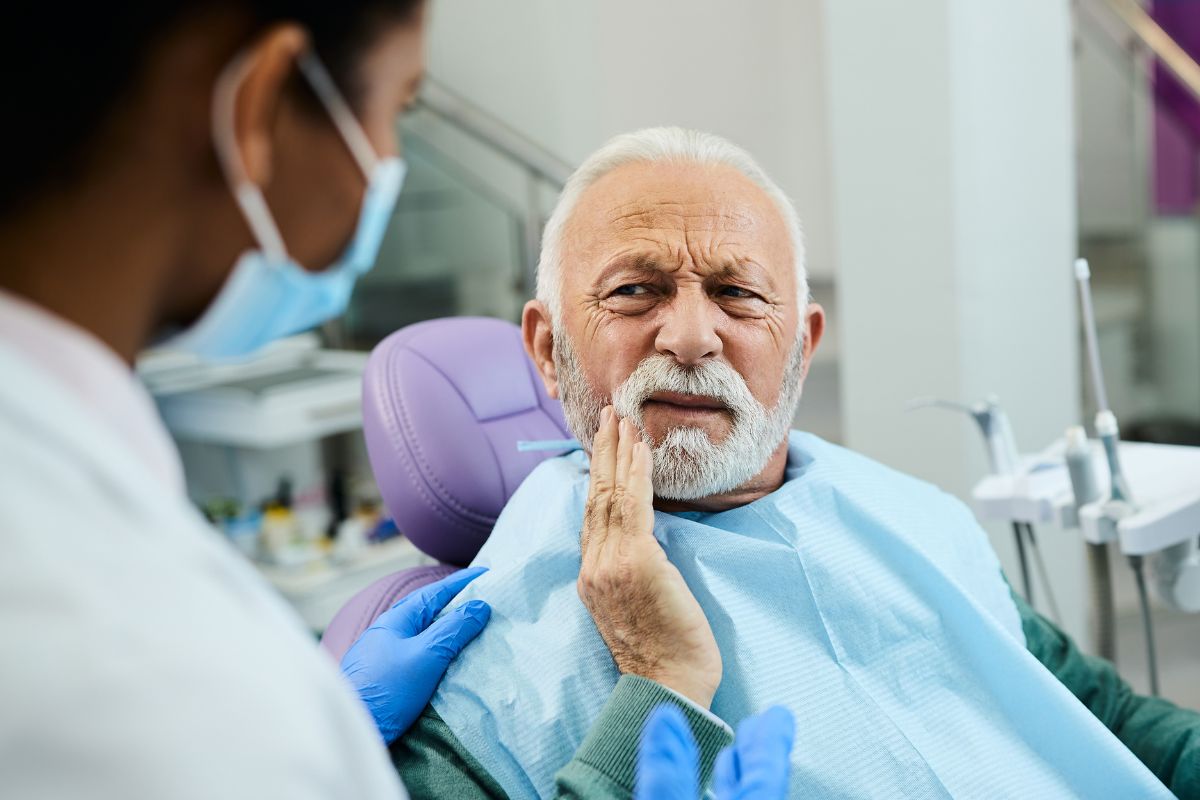
Dental implants are one of the most reliable and long-lasting ways to replace missing teeth. When placed correctly, they look, feel, and function like natural teeth. So, if your dental implant is causing you pain or discomfort, it’s understandable to be concerned.
While some soreness is normal right after surgery, persistent pain or tenderness is not something you should ignore. Let’s look at the common reasons a dental implant might hurt and when it’s time to call your dentist at Your Total Dental & Orthodontics .
1. Normal Healing Discomfort
It’s completely normal to experience some soreness or swelling for a few days after dental implant surgery. Your gums and jawbone need time to heal around the implant.
During this phase, you might notice:
- Mild swelling around the surgical area
- Minor bruising on your gums or cheeks
- A dull ache when chewing or brushing
This type of discomfort should gradually fade within a week or two. Over-the-counter pain relievers, soft foods, and gentle oral care usually help manage this temporary soreness.
If your pain is getting worse instead of improving after the first week, that’s a sign something else might be going on.
2. Gum Infection (Peri-Implantitis)
One of the most common causes of pain around an implant is peri-implantitis, which is an infection in the gums or bone surrounding the implant. It can happen when bacteria build up around the implant site, often due to poor oral hygiene or missed cleanings.
Common signs of peri-implantitis include:
- Red, swollen, or bleeding gums
- A bad taste in your mouth or pus around the implant
- Throbbing pain or pressure
- The implant feels slightly loose
If left untreated, this infection can lead to bone loss and even implant failure. The good news is that when caught early, it can often be treated with a professional cleaning and antibiotics.
3. Implant Overload or Bite Problems
If your implant is bearing too much bite pressure especially if the crown is slightly misaligned it can cause inflammation or pain in the surrounding bone.
You may notice this type of pain when chewing, biting, or clenching your teeth.
Your dentist can check your bite and make minor adjustments to ensure the implant isn’t taking on more force than it should. In some cases, a simple bite correction can completely relieve the discomfort.
4. Sinus or Nerve Issues
In the upper jaw, dental implants placed near the sinus cavity can sometimes lead to sinus pressure or pain, especially if the implant extends too close to the sinus lining.
In rare cases, an implant that’s placed too close to a nerve (especially in the lower jaw) can cause tingling, numbness, or sharp pain. If you experience any of these symptoms, contact your dentist right away. These issues require prompt evaluation to prevent long-term damage.
5. Loose or Failing Implant
While dental implants have a success rate of over 95%, they can occasionally fail to bond with the bone — a process called osseointegration.
If your implant feels loose or moves slightly when you bite down, it’s a red flag. This can happen due to:
- Poor bone quality or density
- Excessive pressure too soon after placement
- Infection or inflammation
- Smoking or underlying health issues
Your dentist can take an X-ray to check if the implant is secure. Early intervention can sometimes save the implant before it completely fails.
6. Problems with the Crown or Abutment
Sometimes, the implant itself isn’t the issue it’s the parts attached to it. A loose or damaged crown, screw, or abutment can cause pain or irritation. You might feel discomfort when biting or notice the crown moving slightly.
These issues are typically easy to fix with a quick adjustment or replacement.
When to See Your Dentist
You should always contact your dentist if you experience:
- Pain lasting more than a few days after surgery
- Swelling or redness that gets worse
- A bad taste or odor around the implant
- Loose feeling or movement in the implant
- Pain when biting or chewing
At Your Total Dental & Orthodontics , we carefully evaluate each situation to identify the cause and recommend the best treatment. Whether it’s a simple adjustment or a more involved repair, our goal is to keep your smile healthy and pain-free.
The Bottom Line
A little discomfort after getting a dental implant is completely normal, but persistent or sharp pain is your body’s way of saying something isn’t right.
Don’t try to “tough it out” — early care can prevent bigger problems down the road.
If your dental implant is hurting or you’re worried about how it’s healing, schedule a visit with Your Total Dental & Orthodontics. We are available at Coppears cave , Manor ,temple , Taylor . Our friendly team will assess your implant, ease your discomfort, and get you back to smiling confidently again.